
![IoT project lifecycle: App-centric software development [Part II]](https://ubuntu.com/wp-content/uploads/37ac/IoT-lifecycle-management-blog-series.png)
The traditional embedded Linux development model ties applications to the OS. Such a constraint means apps have to target a specific release, which lowers development velocity. Furthermore, broken upgrades in one part of the device may affect refreshes in the rest of the OS. On the other hand, embedded developers are increasingly looking

In the beginning, there was Amazon Web Services (AWS). And AWS set a standard for cloud computing. AWS was fast, flexible, convenient to use and geo-redundant. Definitely much better than legacy IT infrastructure or VMware. A lot of enterprises all over the world started migrating their business applications to AWS. Over the next few year
![IoT Project Lifecycle: Efficient prototyping with Snaps and Ubuntu Core [Part I]](https://ubuntu.com/wp-content/uploads/add8/iot-project-lifecycle-part-1.png)
There is nothing more exciting than creating something new. Whether developing a new idea, coding a new software feature or creating a new product altogether. After a lot of hard work, we can finally see users interacting with the system and sharing their feedback. The quickest way to reach that point in a project is

The Web and design team at Canonical runs in two-week iterations building and maintaining all of the Canonical websites and product web interfaces. Here are some of the highlights of our completed work from this iteration. Sites The Web team develops and maintains most of Canonical’s sites like ubuntu.com, canonical.com and more. We move

The Web and design team at Canonical runs in two-week iterations building and maintaining all of the Canonical websites and product web interfaces. Here are some of the highlights of our completed work from this iteration. Sites The Web team develops and maintains most of Canonical’s sites like ubuntu.com, canonical.com and more. Why Ope
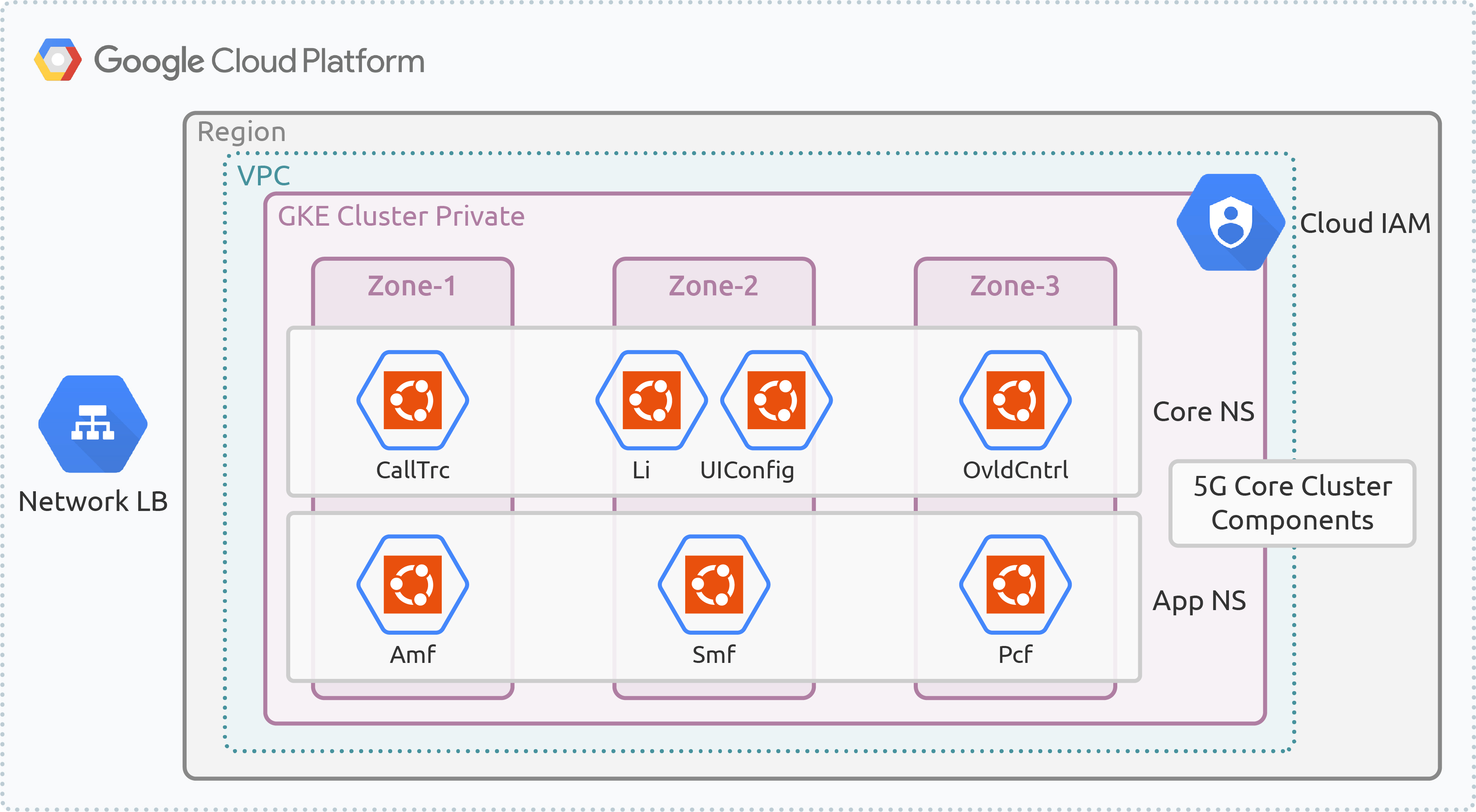
This is the second blog in a series focusing on how telecom operators can leverage public clouds to meet their business demands. In a previous blog, we talked about Amazon Web Services (AWS) and how its services made it possible for telcos to shift towards public clouds. In this blog, you’ll get to know about
Application orchestration is the process of integrating applications together to automate and synchronise processes. In robotics, this is essential, especially on complex systems that involve a lot of different processes working together. But, ROS applications are usually launched all at once from one top-level launch file. With orchestra
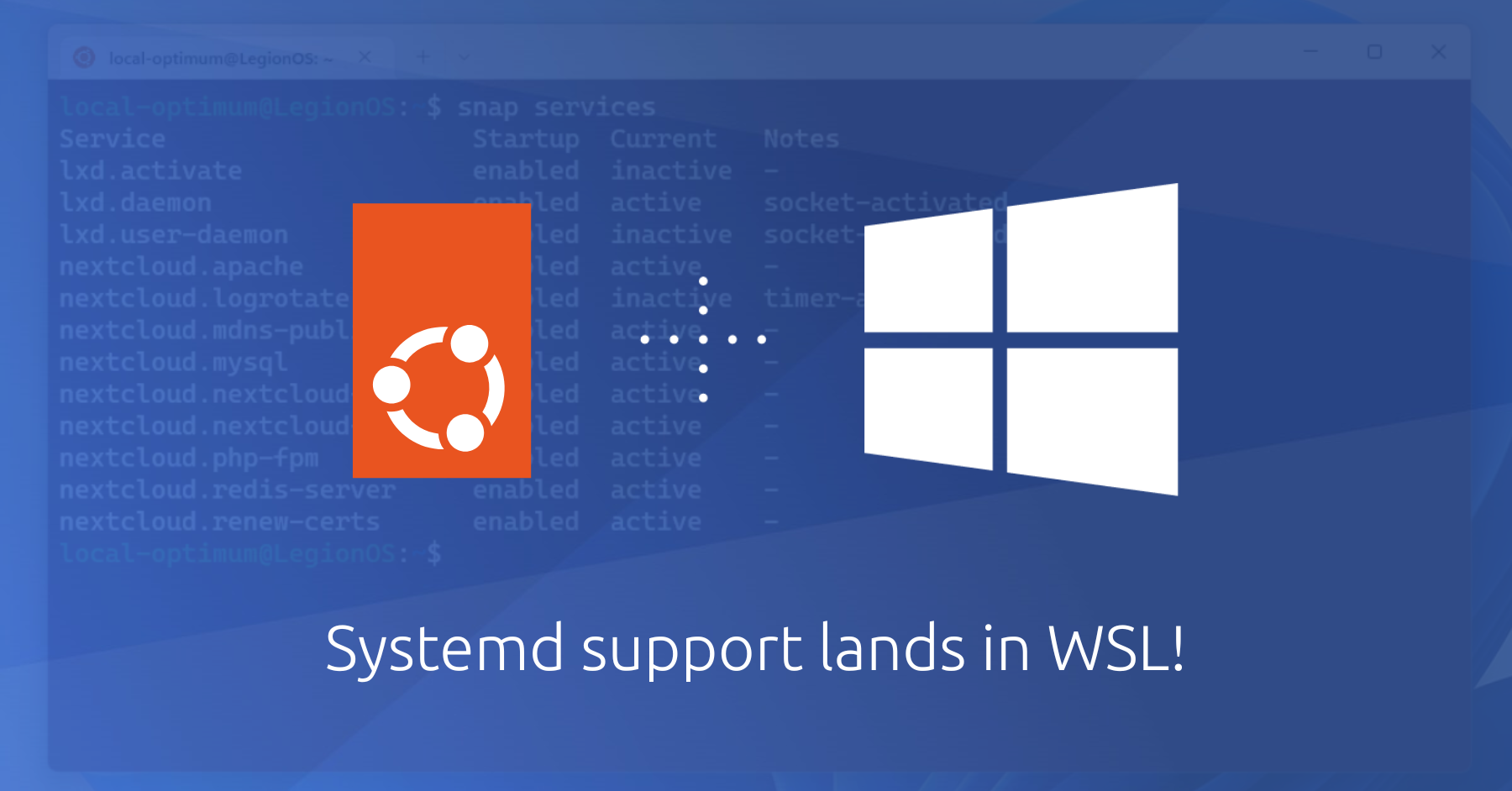
Systemd support has arrived in WSL! This long-awaited upgrade to WSL unlocks a huge number of quality of life features for managing processes and services.

Newsletter signup
Canonical will help set new security and reliability standards for IoT September 21st, 2022 – Canonical, the publisher of Ubuntu, announces today that it has joined the Connectivity Standards Alliance as a participant member. In this role, Canonical will help the alliance to develop open standards for the Internet of Things (IoT) and advo

We are happy to announce that Ubuntu now has a debuginfod service available for its users! What is debuginfod? According to the project’s official page, debuginfod “… is a client/server software that automatically distributes ELF/DWARF/source-code from servers to clients such as debuggers across HTTP” You can think of debuginfod as a much

Enterprises struggle to bring AI and automation to the edge due to strict requirements and regulations across verticals. Long-term support, zero-trust security, and built-in functional safety are only a few challenges faced by players who wish to accelerate their technology adoption. At Canonical, we are excited by the promise of bringin

Digital twins have become somewhat of a buzzword in the past couple of years. But what exactly are they?
The 5th Operator Day is coming up. It will take place at KubeCon North America 2022. This edition will center on cases where software operators have been applied successfully. Join us to hear about our experience in building software operators using Juju, an open-source operator lifecycle manager. Operators implemented for Juju are called
Charmed Kubeflow is Canonical’s Kubeflow distribution and MLOps platform. The latest release shipped on 8 September. Our engineering team hosted a couple of livestreams to answer the questions from the community: a beta-release webcast and a technical deep-dive. In case you missed them, you can read the most frequently asked questions (FA
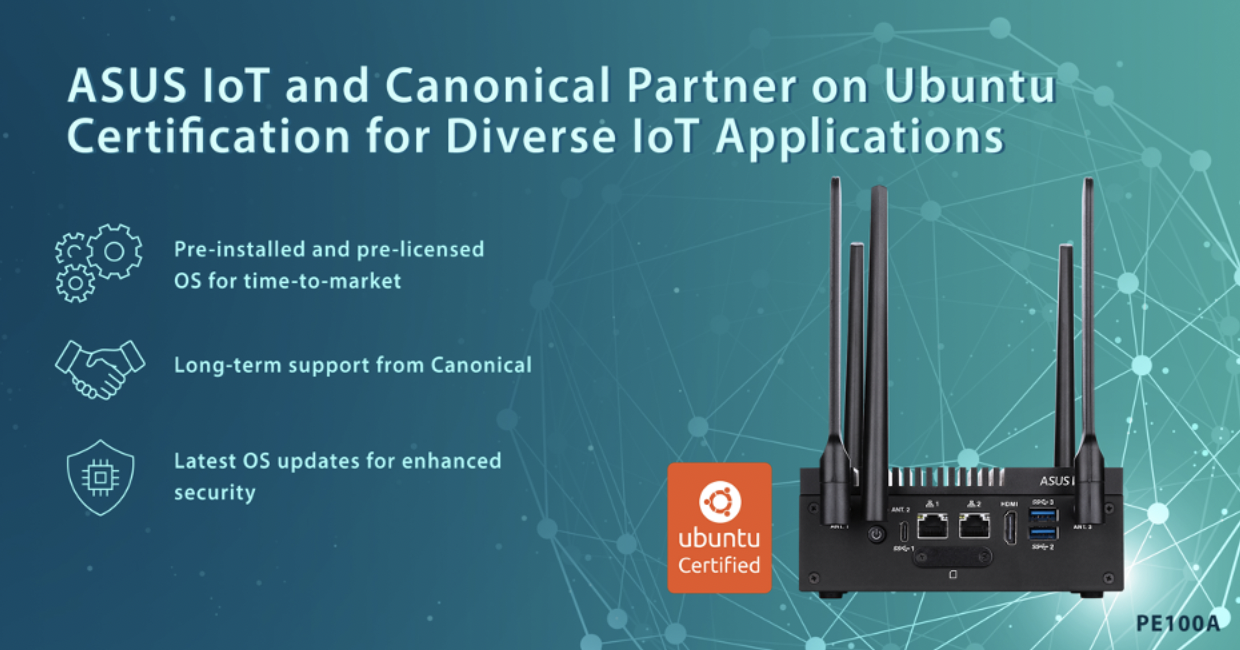
TAIPEI, Taiwan, September 14, 2022 — ASUS IoT, a global AIoT solution provider, today announced a partnership agreement with Canonical to certify the device manufacturer’s boards and systems with Ubuntu 20.04 LTS. ASUS IoT devices are used in a wide range of edge computing applications. New devices like the PE100A will be certified for op
Canonical is excited to partner with AWS and feature on this week’s episode of AWS on Air. Watch us live on September 16, at 12pm PT. As the publisher of the Linux distribution Ubuntu, Canonical support, secure, and manage Ubuntu infrastructure and devices for thousands of businesses. Ubuntu runs from cloud to edge. It is
Ubuntu tech blog
Deep dives for developers
Visit the Ubuntu Tech Blog for deep dives into product features, step-by-step tutorials, and the latest updates from Canonical's engineering teams.